01
Stay
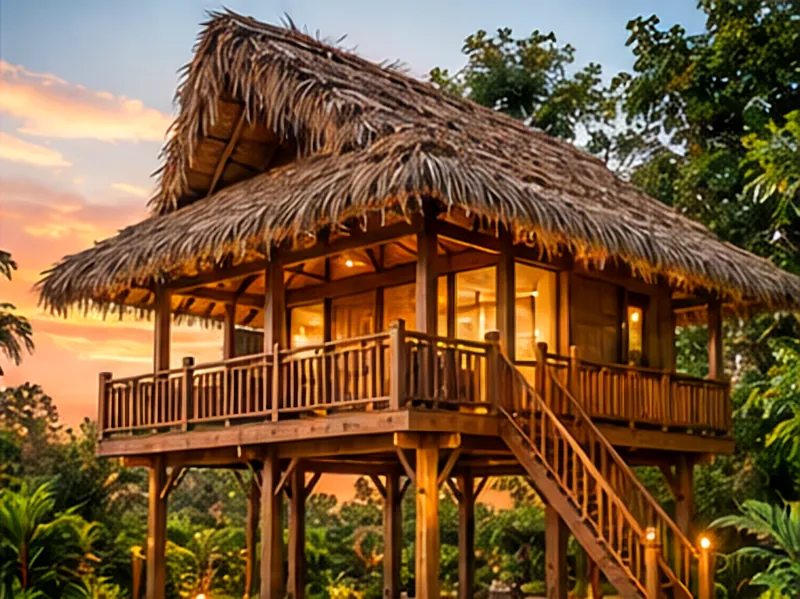
Eight proposed elevated eco-cottages with balconies overlooking a working farm.
Explore the cottages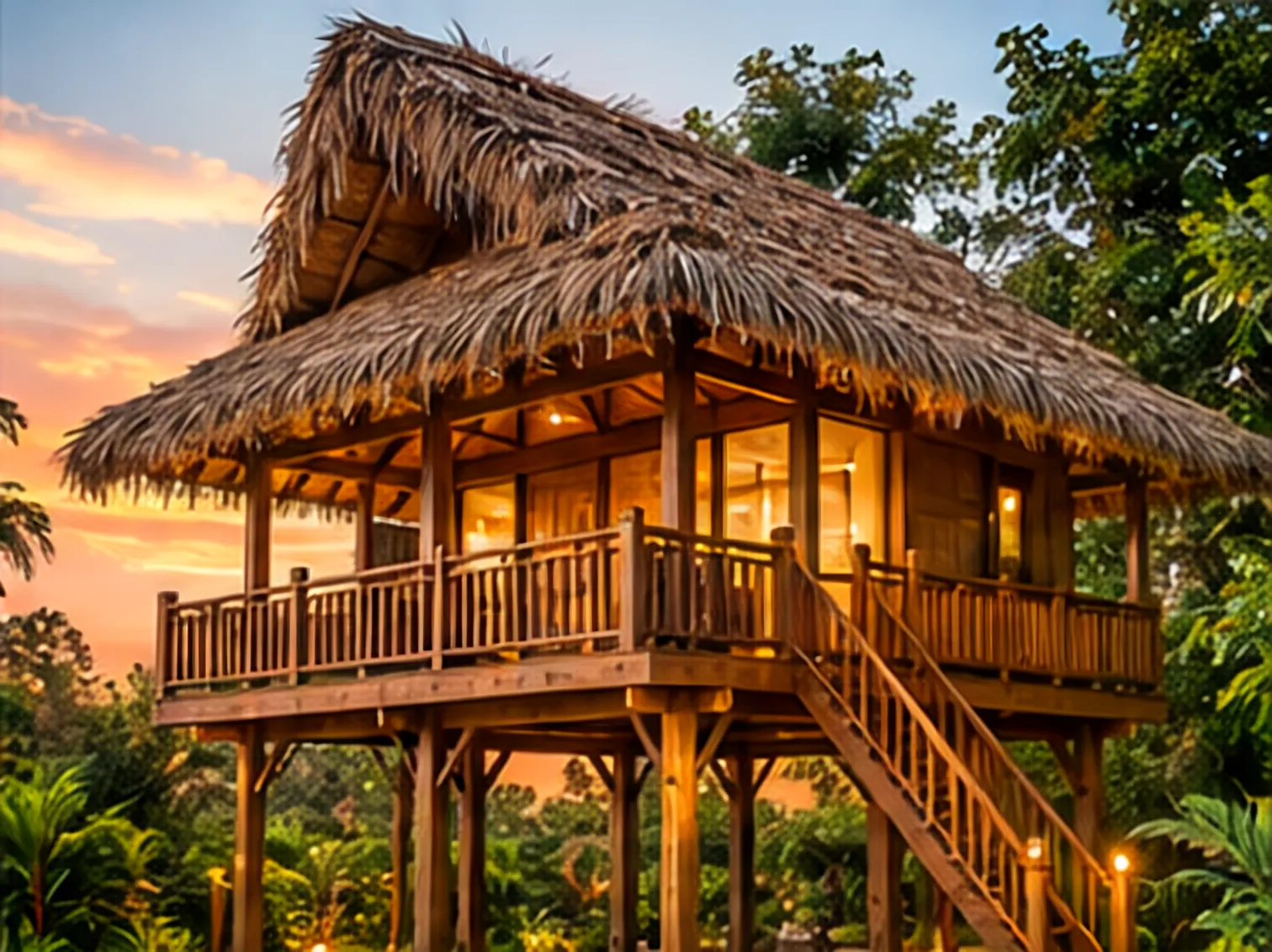
Nature Nest Eco Farm · Nedunkulam, Vavuniya
Discover the vision for an immersive eco-farm retreat in Nedunkulam, Vavuniya, where sustainable agriculture, nature, hospitality and community come together.
Proposed development | Artist’s impressionWelcome to Nature Nest
Nature Nest Eco Farm is being planned as a working agricultural estate in the countryside of Nedunkulam, Vavuniya — a place where guests stay above an active farm, eat food grown a few steps away and share in the rhythm of rural life.
It is not a hotel with a garden, and it is not a theme park. Farming comes first. Hospitality, learning and community grow from it, together with a wider ambition: to help strengthen the farming families and children of the surrounding villages.
Nature Nest is a proposed development. Everything on this website describes our plans, and every image of the estate is an artist’s impression.
 Artist's impression
Four pillars
Four ideas shape everything at Nature Nest: where you stay, how the land is farmed, what you experience — and how the project gives back.
Eight proposed elevated eco-cottages with balconies overlooking a working farm.
Explore the cottages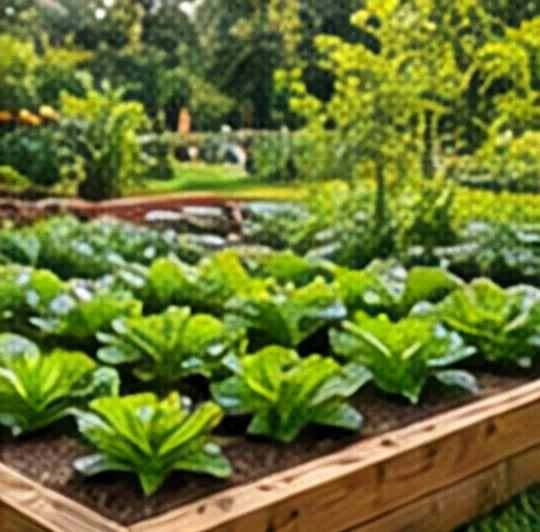
Integrated crops, livestock and aquaculture, planned for the dry-zone conditions of Vavuniya.
Discover the farm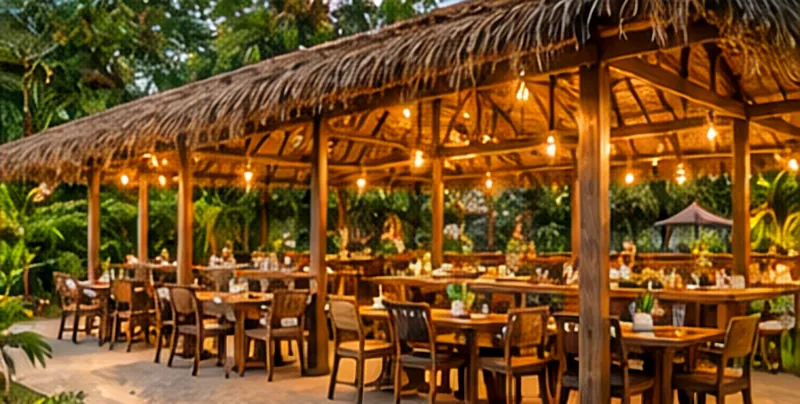
Farm-to-table dining, hands-on farm activities, nature, wellness and learning.
Planned experiences
Planned programmes for local farmers, fairer markets, children’s education and community support.
Our community visionExplore the estate
The concept master plan places eight cottages at the heart of the farm, surrounded by water, gardens, orchards and animals. Select a number to explore.
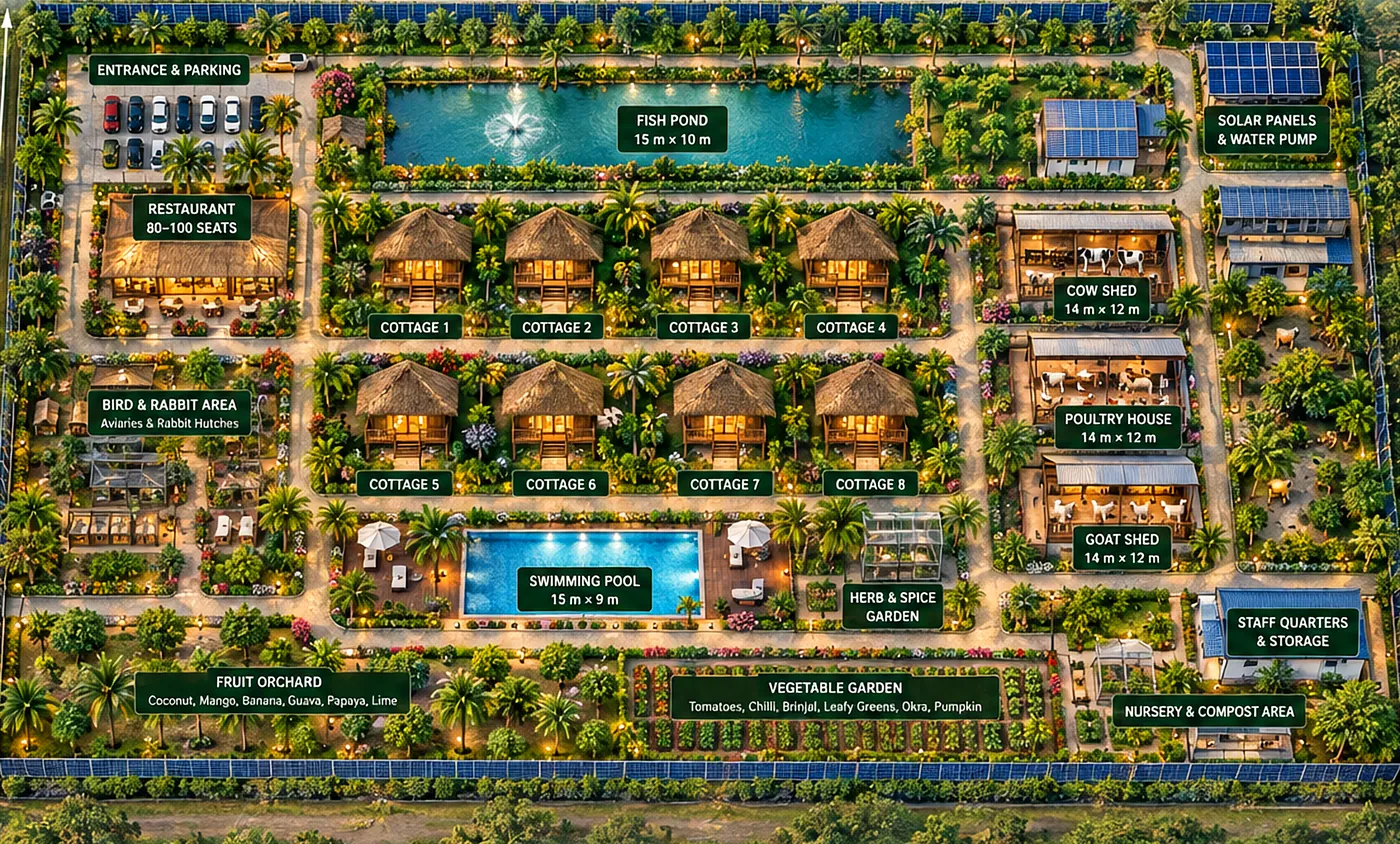 Concept plan · Artist’s impression
Select a number on the plan, or a name from the list, to read about that part of the proposed estate.
The layout is a concept and may change through detailed design, surveys and approvals.
The planned arrival point. Vehicles stay at the edge so the inner estate remains quiet and easy to walk.
2An open-air thatched pavilion near the entrance, designed in the concept plan for around 80–100 seats.
3A freshwater pond planned for aquaculture, which is also intended to act as a water reserve for the farm.
4Eight elevated, thatched cottages in two rows, each with a balcony looking out over a different part of the farm.
5Planned solar and water infrastructure, supporting a solar-first approach to energy.
6Planned housing for a small herd of cattle. Manure is intended to return to the land as compost.
7A small animal area for gentle, supervised visits. Species will be chosen responsibly and in line with Sri Lankan law.
8Free-range poultry planned for fresh eggs, with poultry litter adding to the farm’s compost.
9Goats planned as part of the integrated farm, helping to manage vegetation and providing manure for compost.
10A pool set among gardens between the two rows of cottages, for guests to cool off in the afternoon.
11Curry leaf, lemongrass, ginger, turmeric, moringa and more, for the kitchen and for guided herb walks.
12Operational buildings along the eastern edge, keeping service activity away from guest areas.
13Coconut, mango, banana, guava, papaya and lime, planned along the southern edge of the estate.
14Tomatoes, chilli, brinjal, okra, pumpkin and leafy greens, grown for the restaurant kitchen.
15Where seedlings are raised and farm and kitchen by-products are turned into compost for the soil.
Artist's impressionStay above the farm
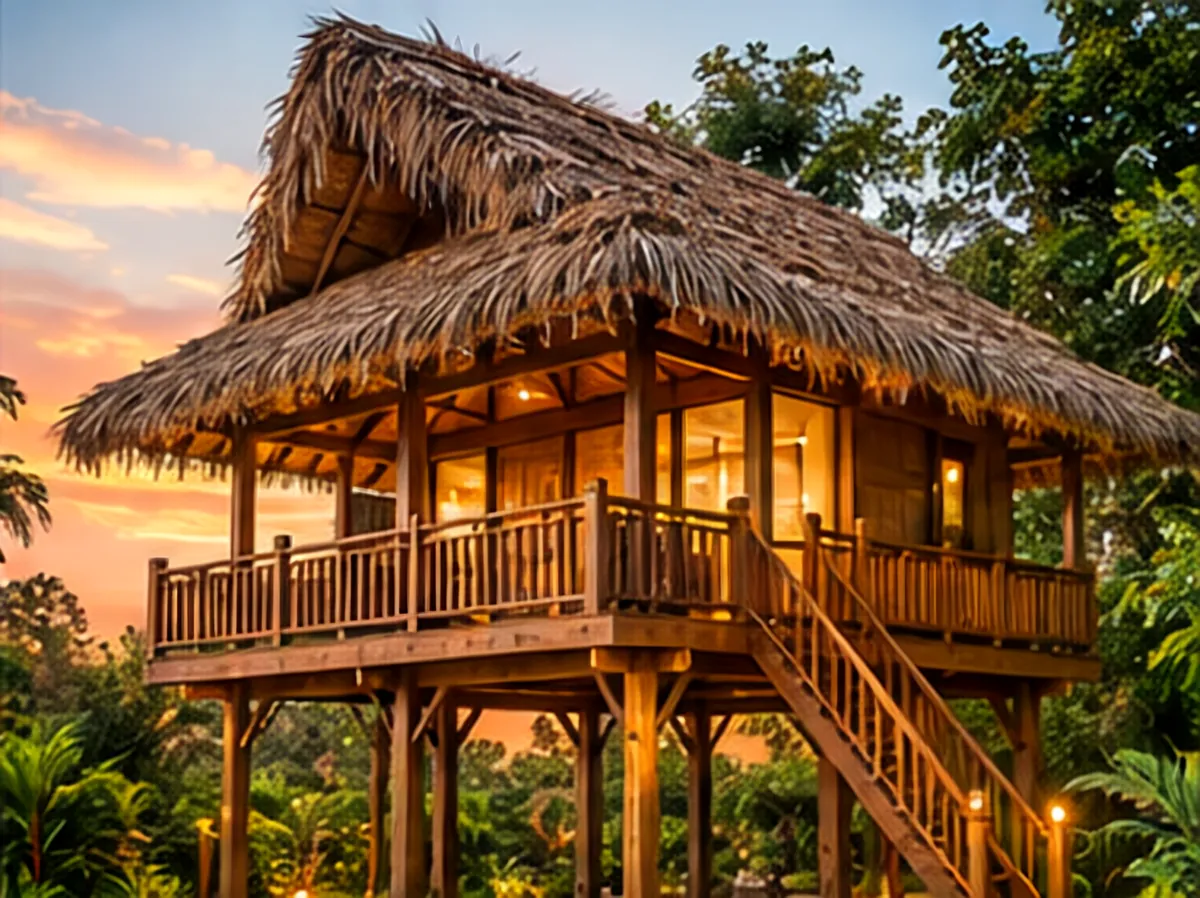
Eight proposed eco-cottages are designed to stand on hardwood stilts above the working farm, with steep thatched roofs and wraparound balconies. From each balcony, the plan is for guests to look out over a different part of the estate — the fish pond, the orchard, the vegetable rows or the herb garden.
The working farm
The gardens at Nature Nest are not decoration. We plan a productive estate — orchard, vegetables, herbs, cattle, goats, poultry and a fish pond — each part designed to support the others, and the kitchen.
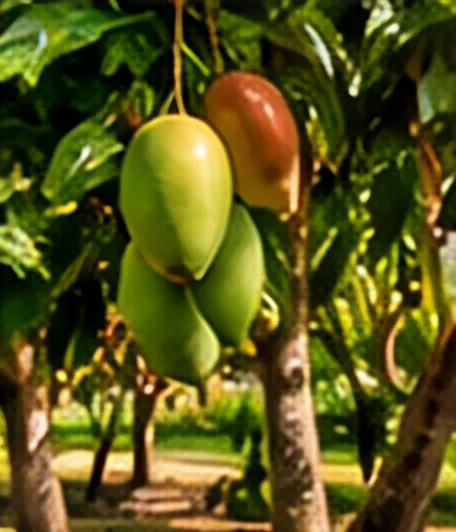
Fruit orchard — mango, banana, coconut, guava, papaya, lime
Vegetables & herbs — for the restaurant kitchen
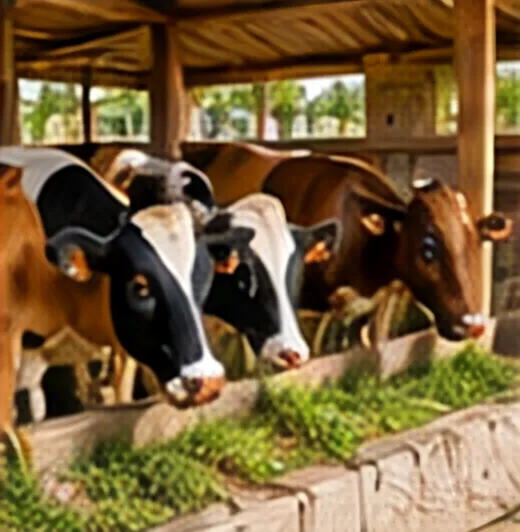
Livestock — cattle, goats and free-range poultry
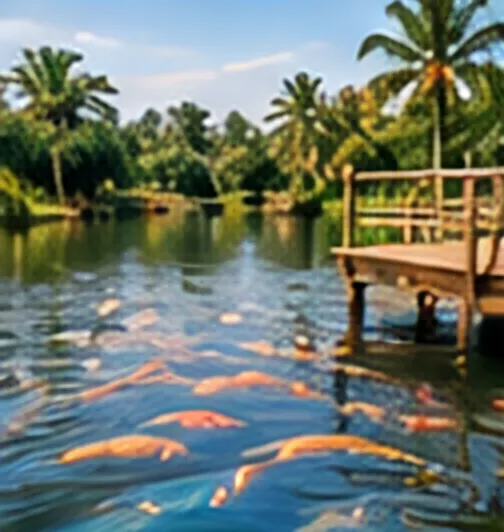
Aquaculture — a fish pond that also stores water
All images are artist’s impressions of the proposed farm.
Planned experiences
Help with the morning harvest, feed the fish, cook with what you have picked, then end the day around the fire. These are the experiences we plan to offer.
Watch the farm wake up: animals fed, eggs collected, herbs picked for breakfast.
Gather vegetables and learn to cook Northern Sri Lankan dishes with estate produce.
Look out for the wild birds of the dry zone around the pond, trees and gardens.
Morning sessions on an open-air deck overlooking the gardens.
Food, stories and music beneath a wide, dark sky.
Leave something growing: plant a native tree on the estate.
 Artist's impression
Farm-to-table dining
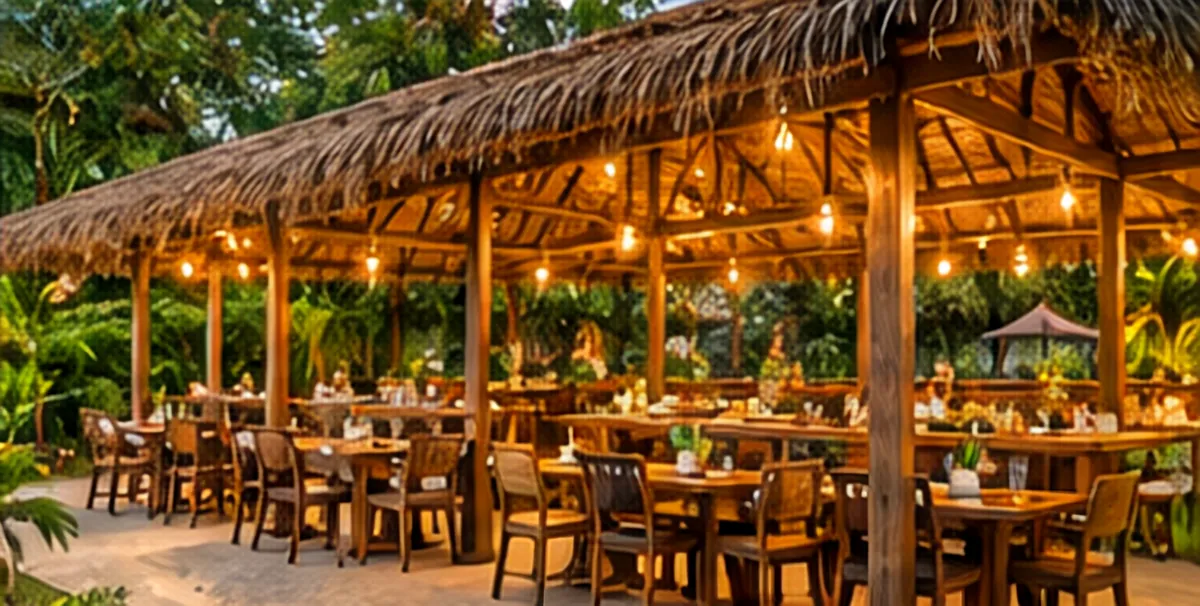
The planned open-air restaurant sits beneath a broad thatched roof, opening onto the gardens. Its kitchen is meant to start in the field: vegetables from the beds, herbs from the garden, fruit from the orchard — cooked with the flavours of Northern Sri Lanka.
Growing Together
When our farm grows, our community should grow with it. Alongside the estate, we are developing plans to support the farmers, families and children of the surrounding villages.
Practical learning in integrated farming and farm business skills.
Learn moreExploring direct, transparent links between farmers and buyers.
Learn moreLearning resources and farm learning days, designed with local schools.
Learn morePartnerships and responsible support programmes, still in development.
Learn more
Nature Nest Farmer Connect
Farmer Connect is a proposed farm-to-market initiative. The aim is to help local farmers reach suitable commercial buyers, with clearer requirements, transparent pricing and fair, respectful dealings.
Nature Nest Farmer Connect is a proposed initiative under development. Registration of interest does not guarantee market access, sales, pricing or programme participation.

Growing Young Minds
Every child deserves the tools to learn and the opportunity to grow. As the project develops, we hope to work with local schools, families and partners on practical learning opportunities and access to essential educational resources — including future farm learning days about food, nature and the land.
Sustainability
Practical, planned measures suited to Vavuniya’s dry-zone climate — reported honestly once the estate is operating.
Solar power planned as the estate’s main energy source.
Collecting rain from roofs and storing it for the dry months.
Delivering water directly to roots to reduce waste.
Turning manure, kitchen scraps and trimmings into soil.
Shade, windbreaks and habitat from locally suited species.
Raised buildings that disturb less ground.

Discover Vavuniya
Vavuniya District, in Sri Lanka’s Northern Province, is a landscape of village tanks, paddy fields, palmyra palms and dry-zone forest. Many local place names end in -kulam, the Tamil word for a tank, and Nedunkulam is one of them. Agriculture and livestock farming remain at the heart of local life.

Development journey
Nature Nest is at an early stage. Rather than invent milestones, we will share real updates — with real photographs — as work progresses.
Nature Nest Eco Farm
A future destination for nature, farming, hospitality and community.